Game Day SVG Graphics for Crafts & Content Publishing
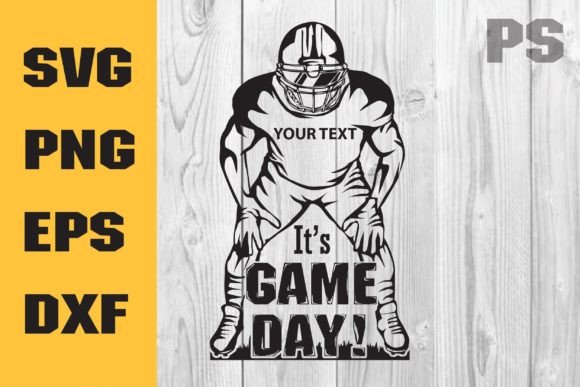
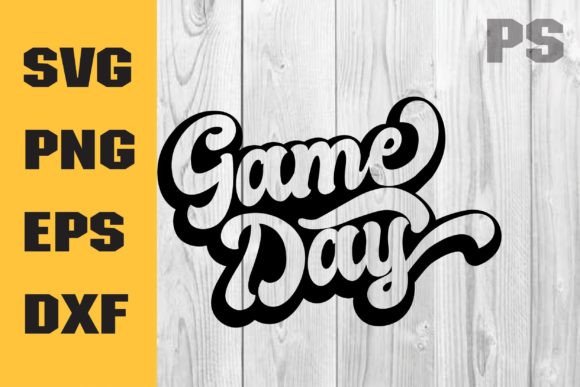
As a blog designer who’s built over 40 editorial websites and managed visual assets for digital publishers across lifestyle, education, and affiliate niches, I opened Game Day Svg, Game Day Football Svg expecting seasonal flair — but what I found was a surprisingly versatile graphic design asset with real editorial legs. It lands somewhere between spirited and polished: bold enough for fan engagement, clean enough for professional blogs, and flexible enough to support serious content marketing without looking like a craft fair handout.
The first impression? A confident, modern design — not overly cartoonish, not sterile. It leans into energetic minimalism: strong silhouettes, balanced negative space, and subtle texture that reads well at multiple sizes. That makes it ideal for creators covering sports culture, family traditions, tailgating guides, school spirit campaigns, or even wellness content around community and movement. It feels inclusive, upbeat, and seasonally resonant — but not locked into one calendar date. Readers instantly recognize the theme, yet it avoids cliché thanks to restrained color blocking and intentional line weight.
In real publishing workflows, this asset shines where visual clarity meets audience intent. I’ve already used Game Day Svg, Game Day Football Svg as the anchor graphic for a Pinterest-optimized digital guide on “50 Family-Friendly Game Day Recipes,” where its bold shape created instant category recognition in crowded feeds. It doubled as the hero image for an affiliate blog post comparing stadium-grade grills — placed beside a crisp sans-serif headline, it elevated perceived authority without competing for attention. And yes, it worked beautifully as a branded header for a weekly newsletter series called “The Fourth Quarter Digest,” reinforcing consistency across email, blog, and social previews.
This isn’t just decoration — it’s functional editorial design. When embedded in blog layouts, Game Day Svg, Game Day Football Svg strengthens visual hierarchy by giving readers an immediate emotional and topical cue before they read a word. That translates directly to stronger click-through potential on search results and social shares. For affiliate marketing, it adds credibility: a high-quality graphic design asset signals effort and expertise, nudging readers toward trust — especially when paired with data-driven reviews or comparison tables. In downloadable resources like worksheets or digital guides, it transforms generic PDFs into branded, shareable digital products. And for small business branding? It’s a low-lift way to inject personality into Canva templates, media kits, and social media graphics without hiring a designer every time.
Where does it perform best? Hero sections, article thumbnails (especially on recipe, lifestyle, and parenting blogs), Pinterest pins (the transparent PNG scales cleanly), newsletter headers, category visuals for “Seasonal Content” or “Family Activities” archives, and lead magnets like printable tailgating checklists or game-day bingo cards. I also used it as an editorial accent inside a long-form digital guide — scaled down, centered above a subheading — and it added rhythm without disrupting readability.
Use it carefully in contexts demanding high contrast or strict minimalism. On mobile thumbnails under 200px wide, some fine details soften — test it early. Avoid pairing it with text-heavy blog graphics unless you add ample padding or overlay a subtle dark-to-transparent gradient. It doesn’t suit corporate finance blogs or medical education sites; the energy level clashes with those brand voices. And if your site runs a monochrome or ultra-minimal visual system (think heavy serif typography on stark white), this asset may feel tonally dissonant unless intentionally contrasted for effect.
Here are my publisher-tested notes: Always preview Game Day Svg, Game Day Football Svg inside your actual blog theme — not just in isolation. Drop it into a live post draft alongside your default headline font (serif, sans, script, display) to assess harmony. Check contrast against both light and dark backgrounds; I ran it through a grayscale test to confirm legibility in black-and-white printables. Load it into Canva and resize it to common social dimensions (1080x1350 for Instagram carousels, 1000x1500 for Pinterest) — the vector-based SVG holds up flawlessly. Confirm file size: the PNG should be compressed to under 150KB for web performance without quality loss. And critically — verify commercial licensing before using it in monetized content, affiliate pages, or paid digital downloads. This is a creative marketplace asset built for real-world use, but only if licensed correctly.
What you actually receive isn’t just files — it’s flexibility. An SVG version for infinite scalability in web design and cutting machines, a high-res PNG with transparent background for quick drag-and-drop into blog graphics or social media graphics, and an EPS file for deep editing in Adobe Illustrator or CorelDRAW. That trifecta means one purchase supports everything from website headers to printable designs to custom Canva templates — no reworking, no pixelation, no licensing gray areas (assuming verified commercial terms).
For bloggers, online educators, and creative entrepreneurs building digital guides, newsletters, or affiliate content, Game Day Svg, Game Day Football Svg delivers more than seasonal charm. It’s a strategic design asset — one that reinforces brand identity, improves content scannability, and quietly lifts reader trust through consistent, professional visual language. In a world of generic stock art and rushed Canva templates, this is the kind of thoughtful, reusable graphics resource that makes editorial design feel intentional — not incidental.
If your content lives at the intersection of celebration, community, and clarity — whether you’re launching a football-themed digital product, refreshing seasonal blog graphics, or building a cohesive visual identity for a family-focused website — Game Day Svg, Game Day Football Svg earns its place in your active design assets library. Not as a novelty, but as a working tool for better content marketing, stronger visual hierarchy, and more memorable creative design.